Free Spelling, Phonics and Grammar Games for Kids
Looking for spelling games for kids free of charge and free of sign-ups? Ours run in short, repeatable rounds with easy, medium and hard levels, and stars saved right on the device.
02 — Chapter one
Spelling games for kids, free and login-free
Reading and writing confidence is built in small, repeated goes. That is the whole idea behind these games.
Every English game on this page is free to play. There is no child login, no email address to hand over, and no trial that quietly ends after a fortnight. Kids tap in and start.
Rounds are short on purpose. Five minutes before dinner counts. Each game has easy, medium and hard, so a child can drop back a level on a rough day and push up on a good one. Stars are saved on the device, so progress is visible at home without a public scoreboard or a stranger to compare against.
We write everything in Australian English. Colour, not color. Organise, not organize. Centre, not center. If your child is practising spelling for an Australian classroom, the game agrees with the teacher instead of arguing with them.
03
How we work
A clear path from first conversation to finished work.
Free Learning Games by Age
Age hubs for 5–7, 7–9, 9–11 and 11–13 year olds, plus Year 1 to Year 6 pages, so kids can jump straight to games pitched at the right level. No signup required to play.
Maths Games
Practice across addition, subtraction, multiplication, division, fractions, decimals, shapes, measurement, money, telling the time, word problems and times tables, from counting objects up to early algebra.
English & Literacy Games
Spelling, phonics, sight words, grammar, punctuation and word sorting activities that build reading and writing confidence through short, repeatable rounds.
Science, Geography, History & Trivia
Quizzes and interactive activities covering science concepts and lab experiments, Australian and world geography, history including First Nations topics, and general knowledge trivia.
03 — Where to begin
Which activity should my child start with?
Short answer: match the stage, not the age. Here is how we would pick it, and you can change your mind any time.
- Early readers — Start with phonics and sight words. Sounding out letters and recognising common words on sight do the heavy lifting first. Two or three rounds is plenty for one sitting.
- Confident readers — Move to spelling and word sorting. They can already read the words, so now they are learning the patterns underneath them and grouping words by sound, ending or type.
- Older kids — Grammar and punctuation. Sentence types, plurals, commas and apostrophes. This is the writing work that shows up in classroom tasks and in NAPLAN-style practice.
- Not sure yet? — Open Spell It, one of our quick-start favourites. A minute of play tells you whether the level feels too easy, about right, or a bit of a stretch.
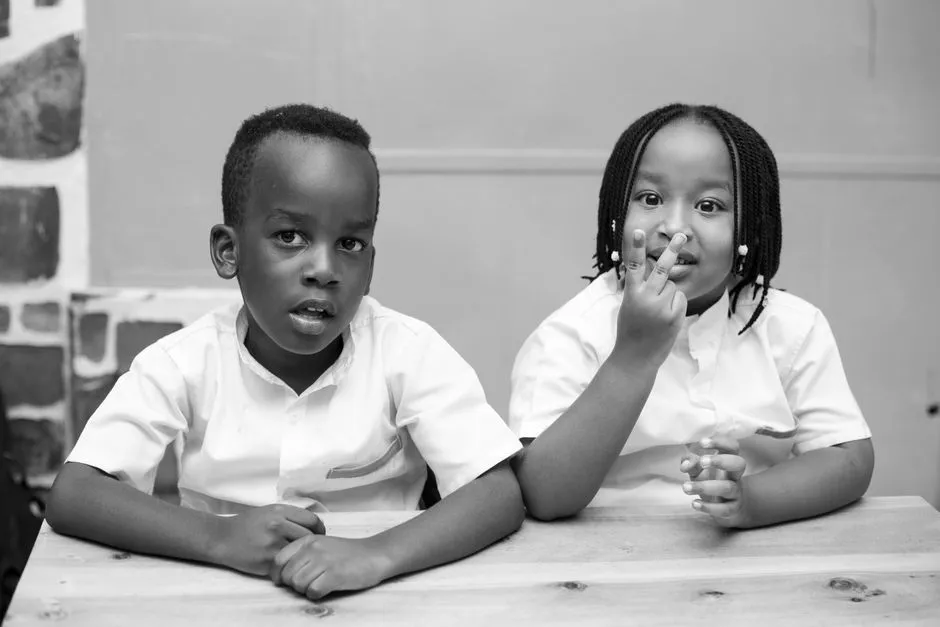
Read a chapter together, then play three quick rounds of a word game. Ten minutes, most nights. That sticks far better than a worksheet nobody enjoyed.
Chapter two
What each English game actually teaches
Six free areas, all playable in short rounds on a phone, tablet or school laptop.
Spelling
Kids build words letter by letter, with the same patterns coming back until they stick. Spell It is the quick-start favourite: pick a level, spell the word, collect a star, go again.
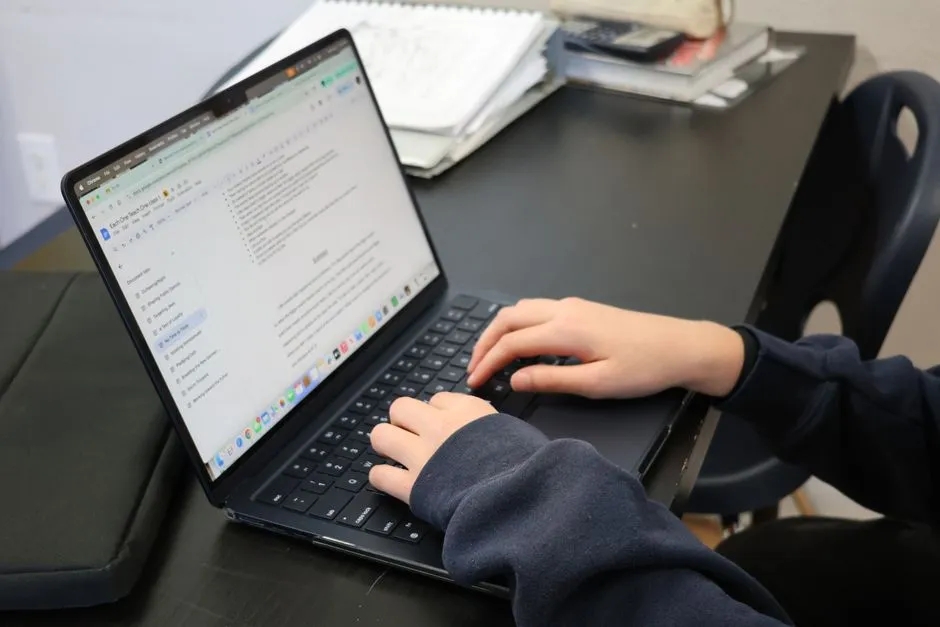
Phonics
Sounds come first. Kids match letters and letter groups to the sounds they make, then blend them into whole words. It is the groundwork that makes spelling feel logical instead of random.
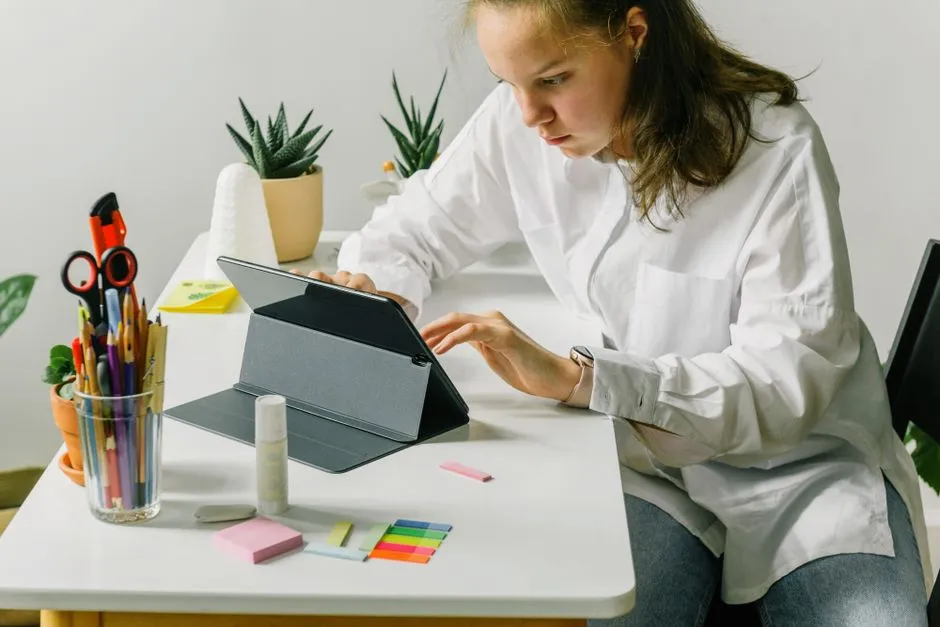
Sight words
Some words cannot be sounded out, they simply have to be known. Fast recognition rounds turn said, one and because into words your child reads without stopping to think.
Grammar
Nouns, verbs, adjectives, plurals and sentence types, practised by choosing and fixing rather than reciting rules. Kids see the sentence change the moment they get it right.
Punctuation
Capitals, full stops, question marks, commas and apostrophes. Kids drop the mark into the sentence and read it back, which is usually when the rule finally lands.
Play a few rounds tonight
Open the games, choose easy, medium or hard, and let your child collect a few stars. Nothing to sign up for, nothing to pay.