Ask us anything about our free learning games for Australian kids
This is the FAQ for Thea and Faye's Amazing Games. What's free, which year levels we cover, how the NAPLAN-style practice works, and what teachers can run in class.
02 — Chapter one
Is it free, and does my child need a login?
The two questions we get most, so we'll answer them before anything else.
Yes — the core games are free, and they stay free. No signup, no child login, no email address before your kid can play. You tap a game, it opens, it works.
Stars are saved on the device the game was played on. That keeps kids out of accounts and keeps their details out of our hands. It also means the stars earned on the family iPad won't appear on the school laptop, and we think that's a fair trade at this age.
Every game runs at easy, medium and hard, so a Year 1 reader and a Year 6 reader can sit at the same spelling game and both get stretched. This website is the guide — it explains what each game teaches — and each page links straight through to the playable add-on at /app, where the games actually run.
03
How we work
A clear path from first conversation to finished work.
Free Learning Games by Age
Age hubs for 5–7, 7–9, 9–11 and 11–13 year olds, plus Year 1 to Year 6 pages, so kids can jump straight to games pitched at the right level. No signup required to play.
Maths Games
Practice across addition, subtraction, multiplication, division, fractions, decimals, shapes, measurement, money, telling the time, word problems and times tables, from counting objects up to early algebra.
English & Literacy Games
Spelling, phonics, sight words, grammar, punctuation and word sorting activities that build reading and writing confidence through short, repeatable rounds.
Science, Geography, History & Trivia
Quizzes and interactive activities covering science concepts and lab experiments, Australian and world geography, history including First Nations topics, and general knowledge trivia.
03 — What's inside
Maths, spelling, science and a bit of paint
Six collections, all free to play. Here's what each one covers, so you know where to send your kid first.
- Maths, Year 1 to Year 6 — Addition, subtraction, multiplication, division, fractions, decimals, shapes, measurement, money, telling the time, word problems and times tables — counting objects up to early algebra.
- English and literacy — Spelling, phonics, sight words, grammar, punctuation and word sorting, built as short repeatable rounds that grow reading and writing confidence.
- Science, geography, history, trivia — Lab experiments and science concepts, Australian and world geography, history including First Nations topics, plus general knowledge quizzes for curious kids.
- Paint and quick play — Colour and Learn Paint with animal, garden and sea pictures, plus Number Zapper, Memory Match, Spell It and Shopping Maths for five spare minutes.

Big, obvious buttons, short sentences, and no login before the fun starts — that's the whole design brief.
Chapter two
Questions from parents and Australian teachers
Screen time, safety, the paid extras and how classroom learning games actually work on a Tuesday morning.
What does the Parent Pass add?
It's optional. The pack adds NAPLAN-style practice for Year 3 and Year 5, reading comprehension, Times Tables Master and Daily Quest. Everything already free stays free when you buy it.
How does the School Licence work in
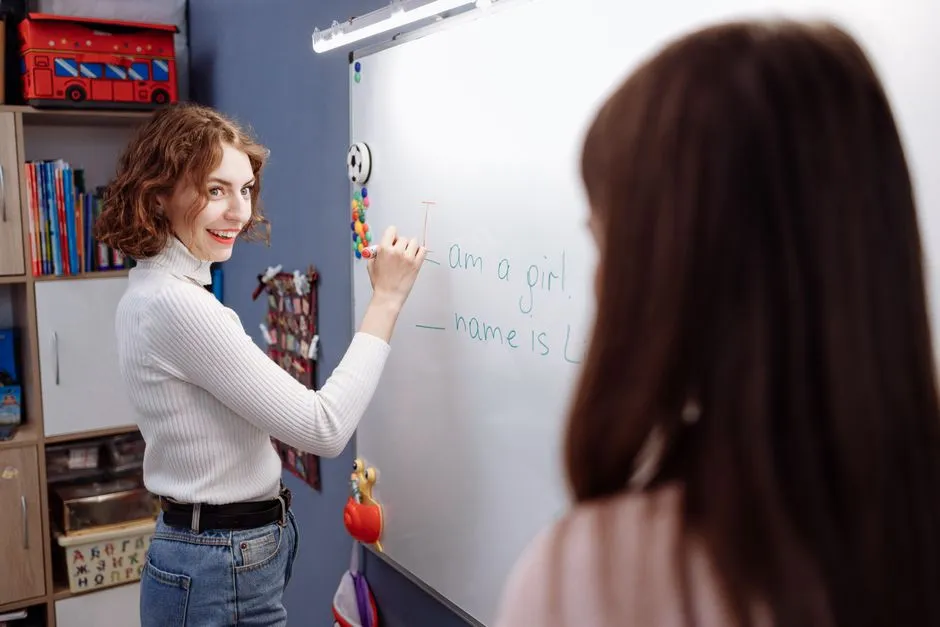
The School Licence unlocks the Classroom Challenge, so you hand out a class code and the results land on a local scoreboard the class can see together. Same games, run as a whole-room activity.
Can teachers use the free games without
Yes, and plenty do. Our teacher pages give classroom rotation ideas, year-level pages and warm-up activities you can run with the free games alone — useful classroom learning games for teachers in Australia with no budget approval needed.
Is NAPLAN-style practice for Year 5 online
It is, inside the Parent Pass. The questions follow the shape and timing of the tests for Year 3 and Year 5 so the format feels familiar. We call it NAPLAN-style practice because it's practice, not the real thing.
How much screen time is sensible?
Short rounds beat long sessions. Most games are built to finish in a few minutes, so one or two rounds after school is plenty. Our parent guides go through screen-time tips and safety in plain language.
Ask us the question that isn't on this page
Parents, teachers, grandparents on iPad duty — send it through. We answer from Australia and we'd rather explain something twice than have you guess.